
Services
OUR SERVICES
Special High-quality Services
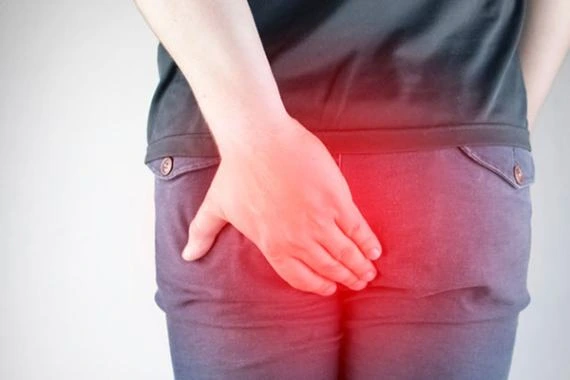
Piles, also known as hemorrhoids, are swollen and inflamed veins in the rectum and anus. They can occur both internally, inside the rectum, or externally, under the skin around the anus.
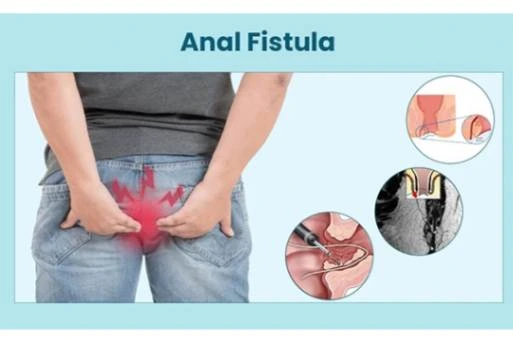
The most common type of fistula is an anal fistula, which is an abnormal tunnel-like connection that develops between the anal canal or rectum and the skin surrounding the anus.

An anal fissure is a small tear or crack in the lining of the anus, which is the opening through which stool passes. It is a common condition that can cause significant discomfort & pain during bowel movements.
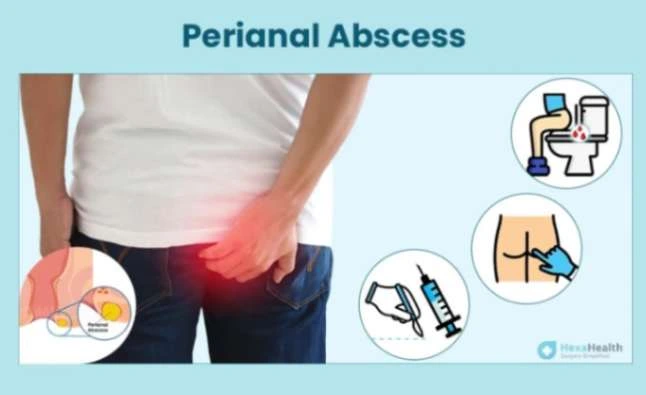
An abscess is a localized collection of pus that forms as a result of an infection. Abscesses can occur in different parts of the body, including the skin, organs, and deep tissues.
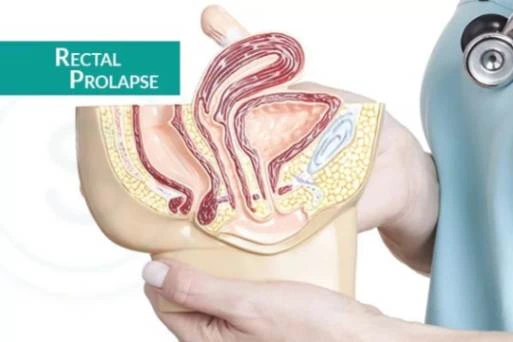
Rectal prolapse occurs when the rectum, which is the lower end of the large intestine, protrudes or falls out of the anus. Rectal prolapse is more common in older adults, particularly women, but can occur at any age.
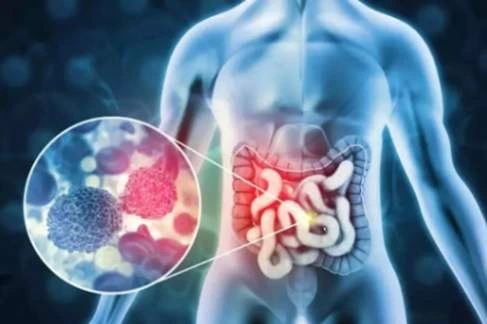
Anorectal cancer refers to cancers that develop in the anus or rectum. Anorectal cancer can include various types of tumors, such as squamous cell carcinoma, adenocarcinoma, and melanoma.
Without Operation Treatments

Kshar Sutra treatment is indeed a non-surgical approach for certain anorectal conditions, specifically fistulas. It involves the use of a medicated thread (Kshar Sutra) to promote healing & gradual cutting of the fistula tract.
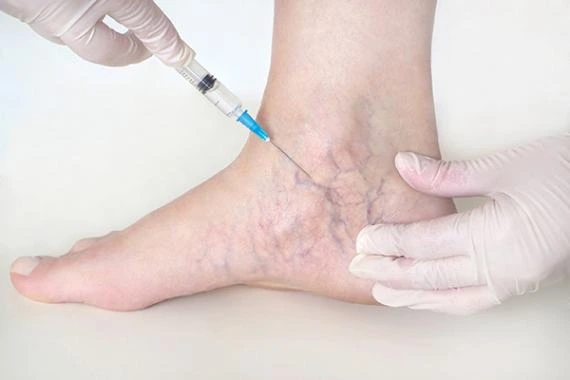
It involves injecting a sclerosing agent directly into the affected blood vessels, causing them to collapse & eventually fade away. While sclerotherapy is primarily used for the treatment of varicose veins, it can also be utilized for internal hemorrhoids.
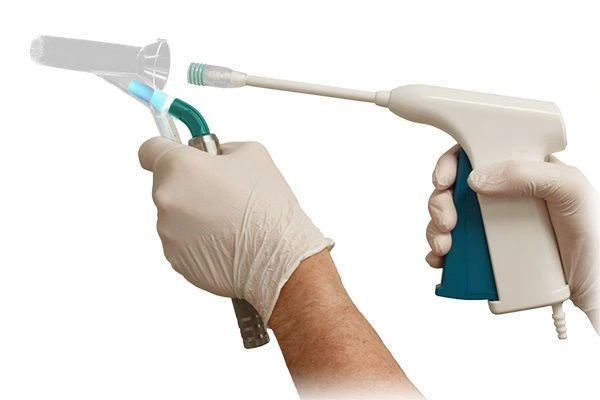
It involves placing a small rubber band at the base of the hemorrhoid to cut off its blood supply. Without adequate blood flow, the hemorrhoid shrinks and eventually falls off, typically within a few days.